Speech and Language Impairments
- Most students receive therapy individually or in small groups with a specialist for brief sessions a couple times a week.
- They usually spend the majority of their day in general education classes.

Learning Disabilities
- The single largest disability area
- Identifying learning disabilities
- Discrepancy- between ability and achievement measured by testing.
- Response to Intervention- How the student is responding to the interventions that are in place.
- Characteristics of learning disabilities
- Language and literacy
- Mathematics
- Attention and memory
- Metacognitive abilities
- Social- emotional functioning

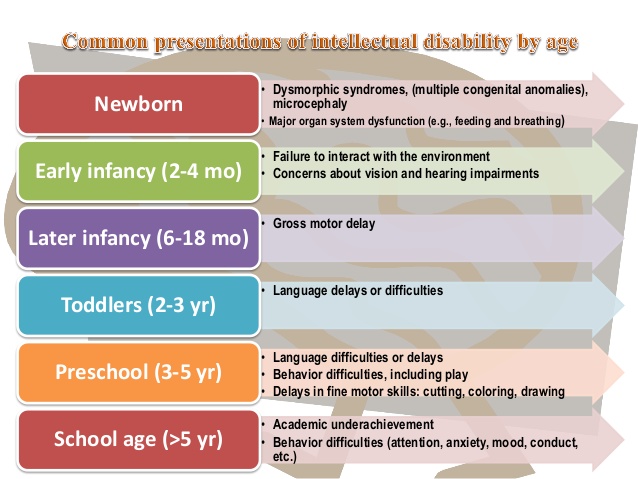
Intellectual Disabilities
- Characterized by significant limitations in intellectual functioning and adaptive behavior.
- Intelligence tests are often used to determine how well the student is functioning intellectually.
- Some causes could be genetics, brain factors or environmental influences.
Emotional Disturbance
- This does not include individuals who are socially maladjusted unless they exhibit other evidence of emotional disturbances.
- Characteristics of ED
- Social Behavior- less mature or inappropriate social skills
- Affective Characteristics- Depression, severe anxiety disorders, and phobias
- Academic Characteristics- may function two or more years below their current grade level in reading, math, writing and spelling
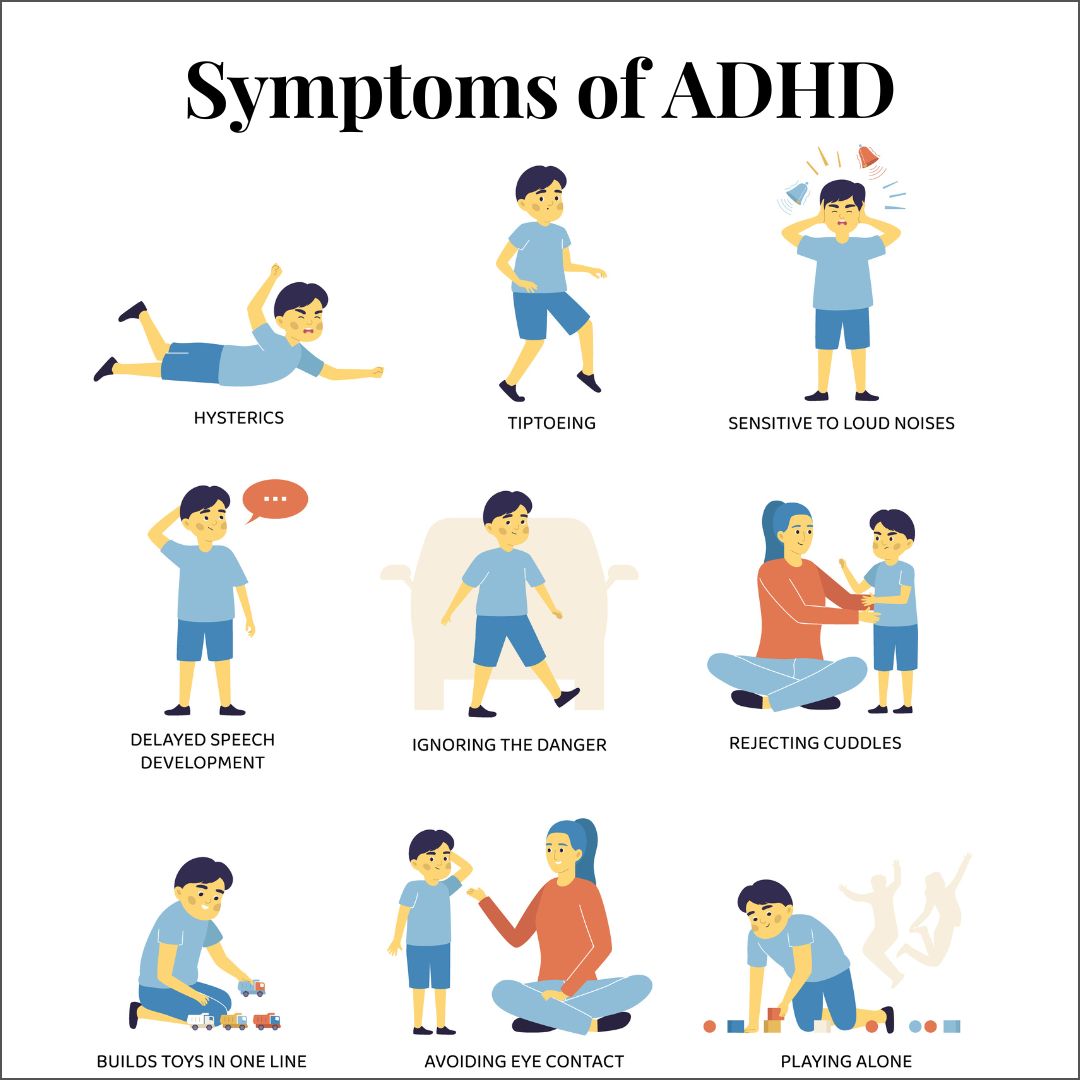
Attention Deficit Hyperactivity Disorder (ADHD)
- Three types
- Inattentive
- Hyperactivity
- Impulsivity
- Adapt your instruction with behavioral interventions and with cognitive-behavioral interventions
Autism
-A disorder characterized by impairments of social, emotional, and intellectual functioning.
- Causes are unknown
- Typically, is identified before the age of 3

Physical Disabilities and Other Health Impairments
Physical Disabilities are either orthopedic (damage to the skeletal system) or neuromotor impairments (damage to the nervous system).
Other Health Impairments include physical or medical conditions resulting from disease or illnesses.
Some of these disabilities
- Cerebral Palsy
- Spina Bifida
- Muscular Dystrophy
- Epilepsy
- Asthma/ Allergies

Severe and Multiple Disabilities
Multiple disabilities refer to the presence of two or more impairments that impact an individual’s ability to learn and function with adaptations and that cannot be accommodated in programs devoted to only one of the impairments.
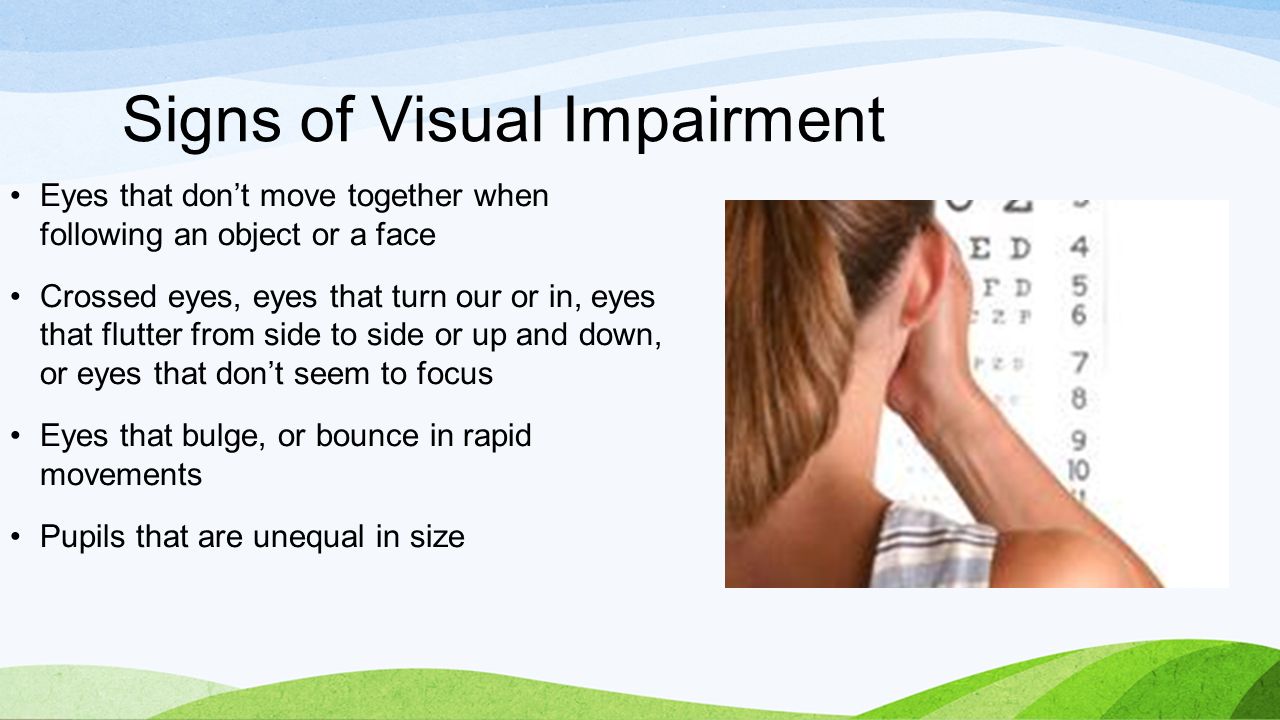
Visual Impairments
- One of the smallest areas of disability in school aged children.
- Many individuals classified as legally blind have some vision and can learn to read using enlarged print.
- Others are totally blind, and they learn to read by using the Braille system or by using audiotapes.
Hearing Impairment
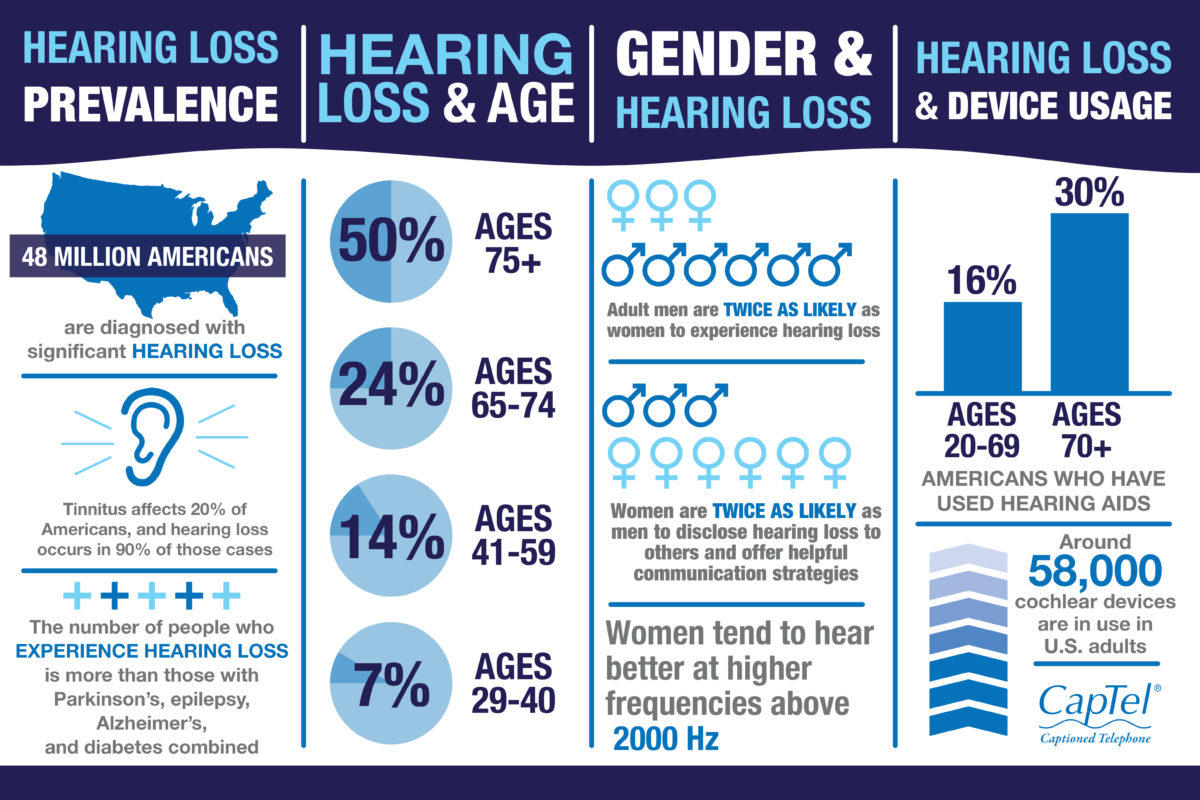
Hard of hearing, hear speech tones when wearing hearing aids.
Persons who are deaf cannot hear even with hearing aids.
Causes of HI
- Heredity
- Ear Infections
- Prematurity
- Head Trauma
- Oxygen Deprivation during birth
- Meningitis
 Teaching With Tara